
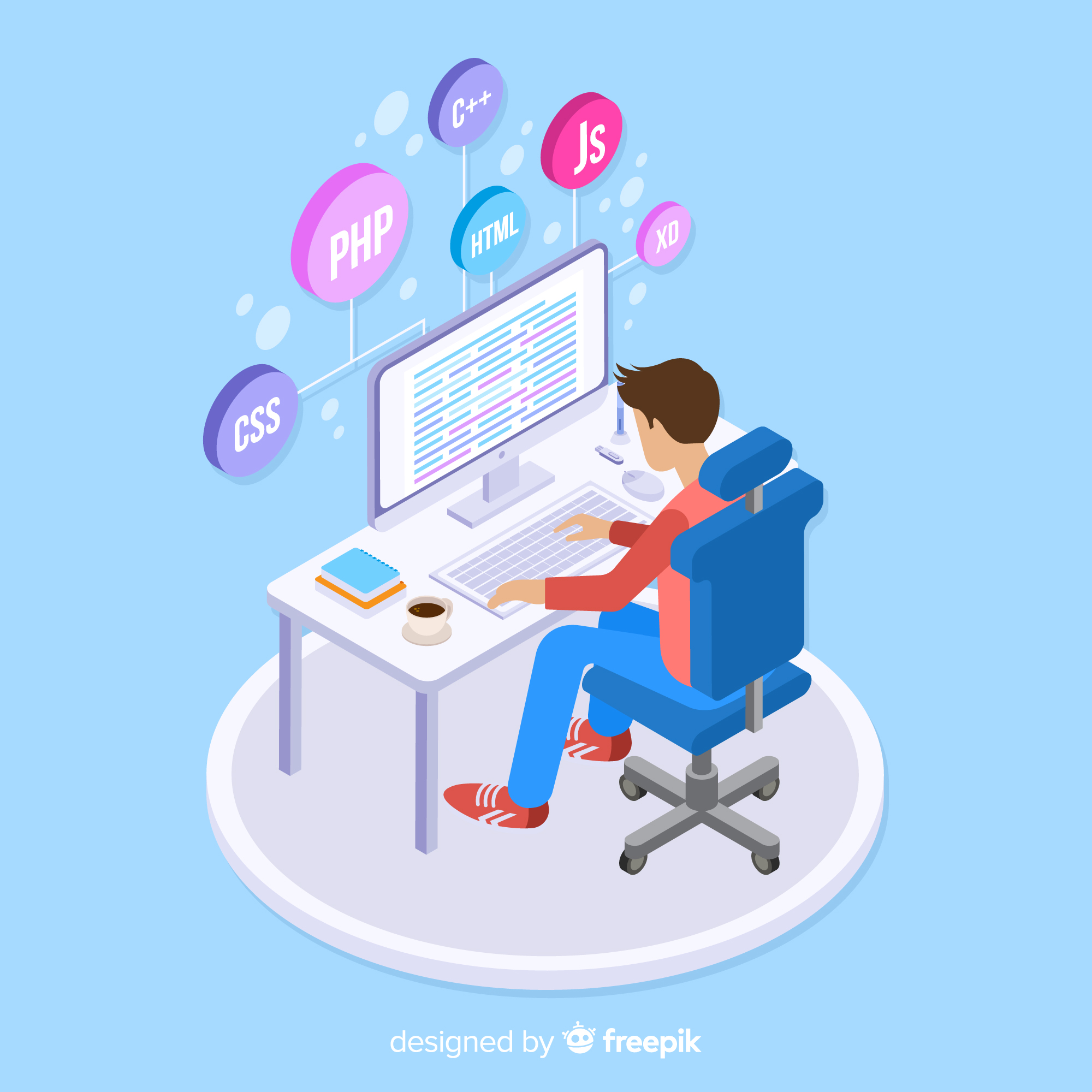
In today’s digital-first economy, full stack development has emerged as one of the most valuable and future-ready skills in the technology ecosystem. We see organizations demanding professionals who can seamlessly work across the entire application lifecycle—from user interface design to server-side logic and database management. What is Full Stack Development is no longer just a beginner’s question; it is a strategic concept shaping how modern software products are built, scaled, and maintained.
Full stack development represents a holistic approach to web and application development. Instead of siloed roles, full stack developers bridge gaps, accelerate delivery, and ensure technical coherence across systems. In this guide, we explore full stack development in depth, covering technologies, skills, responsibilities, career scope, and its growing importance in 2026 and beyond.
What Is Full Stack Development? (Core Definition)
Full stack development refers to the practice of developing both the front-end (client-side) and back-end (server-side) components of a web or software application. A professional skilled in this domain is known as a full stack developer.
In simple terms, full stack development covers:
- User Interface (UI) & User Experience (UX)
- Server-side logic and APIs
- Databases and data management
- Deployment, hosting, and version control
When we talk about what is full stack development, we mean the ability to understand, design, and implement an entire application stack—from the visual layer users interact with to the underlying infrastructure powering it.
Understanding the Full Stack Architecture
Front-End Layer (Client Side)
The front end is the visible part of an application. It focuses on design, responsiveness, and user interaction. Full stack developers ensure the interface is intuitive, fast, and accessible across devices.
Key responsibilities include:
- Creating responsive layouts
- Ensuring browser compatibility
- Optimizing performance and usability
Back-End Layer (Server Side)
The back end handles business logic, authentication, data processing, and communication with databases. This layer ensures that the front end receives accurate and secure data.
Responsibilities include:
- Writing APIs
- Managing authentication and authorization
- Implementing server-side logic
Database Layer
Databases store and manage application data. A strong understanding of data structures and query optimization is essential in full stack development.
Technologies Used in Full Stack Development
Understanding what is full stack development also means understanding the technologies involved. A full stack developer works with a wide range of tools and frameworks.
Front-End Technologies in Full Stack Development
HTML, CSS, and JavaScript
These form the foundation of front-end development.
- HTML structures the content
- CSS styles the application
- JavaScript adds interactivity
Modern Front-End Frameworks
Full stack developers often use frameworks to build scalable interfaces:
- React.js
- Angular
- Vue.js
These tools enable faster development and improved maintainability.
Back-End Technologies in Full Stack Development
Server-Side Programming Languages
Popular choices include:
- Node.js
- Python
- Java
- PHP
- Ruby
Each language serves different use cases but shares the same goal: powering application logic.
Back-End Frameworks
Frameworks streamline development:
- Express.js
- Django
- Spring Boot
- Laravel
Database Technologies in Full Stack Development
Databases are critical to application performance and scalability.
Relational Databases
- MySQL
- PostgreSQL
- SQL Server
NoSQL Databases
- MongoDB
- Firebase
- Cassandra
Full stack developers choose databases based on project requirements and scalability needs.
DevOps and Deployment in Full Stack Development
Modern full stack development extends beyond coding.
Version Control
- Git
- GitHub / GitLab / Bitbucket
Cloud Platforms
- AWS
- Microsoft Azure
- Google Cloud Platform
CI/CD and Containerization
- Docker
- Jenkins
- Kubernetes
These tools ensure faster releases and stable deployments.
Key Skills Required for Full Stack Developers
To truly master what is full stack development, developers need both technical and soft skills.
Technical Skills
- Front-end and back-end proficiency
- Database management
- API integration
- Debugging and testing
Soft Skills
- Problem-solving
- Communication
- Time management
- Adaptability
Why Full Stack Development Is in High Demand
The demand for full stack developers continues to grow due to their versatility and cost-effectiveness.
Key reasons include:
- Faster project execution
- Reduced dependency on multiple specialists
- Better system understanding
- Startup and enterprise scalability
Companies value professionals who can own projects end-to-end.
Benefits of Full Stack Development for Businesses
From a business perspective, full stack development offers clear advantages:
- Lower development costs
- Faster time-to-market
- Improved collaboration
- Easier maintenance and scaling
Organizations increasingly prefer full stack teams to stay competitive.
Career Opportunities in Full Stack Development
Understanding what is full stack development opens doors to multiple career paths:
- Full Stack Developer
- Software Engineer
- Technical Lead
- Product Engineer
- CTO (with experience)
With the right skill set, professionals can work in startups, MNCs, or as freelancers.
Future Scope of Full Stack Development
As technologies evolve, full stack development continues to adapt.
Emerging trends include:
- AI-powered applications
- Serverless architectures
- Progressive Web Apps (PWAs)
- Microservices-based systems
Full stack developers who stay updated will remain highly relevant in 2026 and beyond.
Conclusion
What is full stack development is not just a technical definition—it is a comprehensive approach to building modern, scalable, and user-centric applications. By mastering front-end, back-end, databases, and deployment, full stack developers become invaluable assets to organizations. As digital transformation accelerates, full stack development stands as a cornerstone of efficient software engineering, offering limitless career growth and long-term stability.
Frequently Asked Questions (FAQs)
1. Is full stack development suitable for beginners?
Yes, with a structured learning path, beginners can gradually master full stack development.
2. How long does it take to learn full stack development?
On average, 6–12 months of consistent practice is sufficient for entry-level proficiency.
3. Is full stack development better than front-end or back-end specialization?
Full stack development offers broader opportunities, while specialization offers depth—both are valuable.
4. Which full stack technology stack is best in 2026?
MERN, MEAN, and Python-based stacks remain highly relevant.
5. Do full stack developers earn more?
Yes, due to their versatility, full stack developers often command higher salaries.